

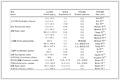
 Table 1.
Proximate and ultimate analyses of SCP
Citation:
WANG Sheng-kang, WEI Xian-yong, WANG Yu-gao, LI Zhan-ku, CHEN You-xiang, XU Dan-dan, TENG Qing-qing, LI Wei-tu, LIU Xiang-xue, ZHOU Ming-yao, ZONG Zhi-min. Compositional features of extracts from Shenmu char powder[J]. Journal of Fuel Chemistry and Technology,
2016, 44(1): 1-6.

神木半焦粉末萃取物的组成特征
摘要:
依次用石油醚、CS2、CH2Cl2、丙酮和甲醇在索氏萃取器中萃取了神木半焦粉末, 得到了五级萃取物(E1-5) 和最终的萃余物, 总萃取率为1.76%。分别用气相色谱/质谱联用仪(GC/MS)、大气压固体探针/飞行时间质谱仪(ASAP/TOF-MS) 和电喷雾电离/飞行时间质谱仪(ESI/TOF-MS) 分析了各级萃取物。用GC/MS分析的结果表明, 在E1中C15-24的直链烷烃和E2中3与4环的芳烃比较丰富, 在E3-5中含杂原子有机化合物较丰富, 特别是E4和E5中含氧有机化合物的含量最高。与用GC/MS分析的结果相比, 用ASAP/TOF-MS和ESI/TOF-MS从E3-5中检测出更多的含杂原子有机化合物。
English
Compositional features of extracts from Shenmu char powder
Abstract:
Shenmu char powder (SCP) was sequentially extracted with petroleum ether, carbon disulfide, dichloromethane, acetone, and methanol in a Soxhlet extractor to obtain extracts 1-5 (E1-5) and final residue. The total extract yield of SCP is 1.76%. All the extracts were characterized with gas chromatograph/mass spectrometer (GC/MS), atmospheric solid analysis probe/time-of-flight mass spectrometer (ASAP/TOF-MS), and electrospray ionization/time-of-flight mass spectrometer (ESI/TOF-MS). Normal alkanes with C15 to C24 and arenes with 3 and 4 rings are predominant in E1 and E2, respectively, while more heteroatom-containing organic species were identified in E3-5. Organooxygen compounds are the most abundant in E4 and E5 based on analysis with GC/MS. Much more heteroatom-containing organic compounds were detected in E3-5 with ASAP/TOF-MS and ESI/TOF-MS than with GC/MS.
-
Key words:
- char powder
- / Soxhlet extraction
- / extracts
- / compositional features
-
Coal pyrolysis char (CPC) mainly refers to the solid products which were obtained by destructive distillation of the Jurassic non-stick coal and weakly caking coal at 500-700 ℃[1]. In China, the annual output of CPC is approximately 50 Mt, 10% of which is char powder (CP)[2, 3]. CP is currently either directly placed in the open air or simply treated as fuel for combustion because of the difficulty in using CP to produce iron alloy, calcium carbide, silicon iron, silicomanganese, and fertilizer, leading to serious environmental pollution and huge waste of energy[3-5]. Hence, growing attention was paid to the efficient utilization of CP[3-7]. Meanwhile, it is very necessary to understand the properties of CP on molecular level.
Extraction is a separable and nondestructive way to isolate organic species from coals and their derivates[8, 9]. Especially, fractional extraction was widely used to separate group components[10, 11] and trace species[12, 13]. Soxhlet extraction was also generally applied in extracting organic matter (OM) from coals or their derivates[14, 15] and vegetable oil from oleaginous materials[16, 17]. The extracts can be identified with various analytical instruments, such as gas chromatograph/mass spectrometer (GC/MS), which is most commonly used to detect organic species in coals[8-14, 18, 19]. Nevertheless, GC/MS can only analyze thermally stable and relatively volatile molecules.
Atmospheric solid analysis probe/time-of-flight mass spectrometer (ASAP/TOF-MS) can broaden detection range because of its good response to larger molecules[6, 18] and provide in-situ analysis of samples with mid-polarity in various phases without complex pretreatments[20]. ASAP has been successfully applied for identifying steroids[20, 21], contaminants[22], drugs[23], crude oils[24], and polymers[25, 26]. However, few reports focused on the compositional features of extractable species from chars by analysis with ASAP/TOF-MS.
As a soft ionization technology, electrospray ionization (ESI) is suitable for detecting strongly polar and thermally labile molecules without decomposition during ionization process. ESI equipped with a liquid chromatograph and time-of-flight mass spectrometer has been successfully used to identify phenolic compounds from olive oils[27-29], drugs[30], and metabolites[31, 32]. However, almost no reports were issued on analyzing coals and their derivates with ESI/TOF-MS.
In the present work, we tried to understand compositional features of extractable species in Shenmu char powder (SCP) by analyzing the extracts from SCP with GC/MS, ASAP/TOF-MS, and ESI/TOF-MS.
1 Experimental
1.1 Materials
SCP was collected from Shenmu County, Shaanxi, China. It was pulverized to pass through a 200-mesh sieve (particle size of < 74 μm) followed by desiccation in a vacuum oven at 80 ℃ for 24 h prior to use. Table 1 lists the proximate and ultimate analyses of SCP. Petroleum ether (PE), carbon disulfide (CDS), dichloromethane (DCM), acetone, and methanol used in the experiments are analytical reagents and were distilled before use.
Table 1.
Proximate and ultimate analyses of SCP
Proximate analysis w/% Ultimate analysis wdaf/% Mad Ad Vdaf C H N S Oa 5.11 21.23 12.15 78.29 1.22 0.87 0.56 19.06 a: by difference Table 1. Proximate and ultimate analyses of SCP1.2 Experimental procedure
As Figure 1 displays, 4 g SCP was sequentially and exhaustively extracted with 100 mL of PE, CDS, DCM, acetone, and methanol in a Soxhlet extractor to obtain extracts 1-5 (E1-5) and final residue. Each extraction was conducted at a temperature near the solvent boiling point for 10 days. Each extract yield (Y) was calculated as the mass ratio of the extract (mE) to the SCP sample on dry and ash-free base (mSCP, daf).
 Figure 1.
Procedure for fractional extraction of SCP and subsequent analyses
1.3 Analytical methods
All of the extracts were analyzed with a Hewlett-Packard 7890/5975 GC/MS, IonSense/Agilent 6210 ASAP/TOF-MS, and Agilent 6210 ESI/TOF-MS. The GC/MS is equipped with a capillary column coated with HP-5MS (cross-link 5% PH ME siloxane, 60 m length, 0.25 mm inner diameter, 0.25 μm film thickness) and a quadrupole analyzer with a m/z range from 33 to 500 and operated in electron impact (70 eV) mode. The capillary column was heated at 5 ℃/min from 60 to 300 ℃ and held for 5 min. Data acquired were processed using Chemstation software. Compounds were identified by comparing mass spectra with NIST11 library data. Mass resolution of both ASAP/TOF-MS and ESI/TOF-MS is up to 40 000 and its mass accuracy is 3×10⁻⁶. Mass spectral data were processed using MassHunter software for analyses with both ASAP/TOF-MS and ESI/TOF-MS. For analysis with ASAP/TOF-MS, the corona discharge current and capillary voltage were set to 4 μA and 4 kV, respectively. The hot nitrogen stream and drying gas temperatures were set to 250 and 350 ℃, respectively. The operation was run in positive mode and the m/z range was set from 100 to 1 000. For analysis with ESI/TOF-MS, the source voltage, drying gas temperature, drying gas flow rate, spray gas pressure, and evaporator temperature were set to 4.0 kV, 350 ℃, 10 L/min, 30 psig, and 350 ℃, respectively. The samples were analyzed in positive ion mode.
2 Results and discussion
2.1 Extract yields
Chars are usually regarded to be nonvolatile, so the extractable species (ESs) in chars were paid little attention[33]. As Figure 2 shows, the yields of E1-5 are 0.28%, 0.25%, 0.08%, 0.56%, and 0.59%, respectively, and in total, only 1.76% of OM was extracted from SCP. Although the amount of ESs is low, as a part of chars, ESs also affect the quality of chars. Therefore, understanding the compositional features of the ESs is necessary.
 Figure 2.
Yields of the extracts from SCP
2.2 Analysis of the extracts with GC/MS
As shown in Figures S1-S5 (omitted) and Tables S1-S5 (omitted) in the supporting information, 127, 173, 46, 155, and 108 organic compounds were identified in E1-5, respectively. They can be grouped into alkanes, arenes, alkenes, and heteroatom-containing organic species (HACOSs).
As Figure 3 displays, alkanes are predominant in E1 and arenes are the main compounds detected in E2, while most of detected species in E3-5 are HACOSs. The twist of PE with the alkanes in E1 could be responsible for effectively extracting the alkanes. The effectiveness of CDS for extracting the arenes in E2 could be ascribed the π-π interactions between CDS and the arenes, while hydrogen bonds and hydrogen bond/π-π complex interactions among other solvents (DCM, acetone, and methanol) and HACOSs in E3-5 could be the main reason for enriching the HACOSs into the solvents.
 Figure 3.
Distribution of group components in the extracts according to GC/MS analysis
In total, 18 normal alkanes (C9 and C14-31) were detected in E1 and most of them are C15-24 (Figure 4). The arenes with 3 rings are the most abundant in E2 and carbon number of the longest alkyl substituents of arenes decreases with increasing ring number and the maximum carbon number is 10 (Figure 5).
 Figure 4.
Distribution of normal alkanes in E1 according to analysis with GC/MS
 Figure 5.
RC and carbon number of the longest alkyl substituents of arenes in E2
The HACOSs detected in the extracts can be classified into organooxygen, organonitrogen, and organosulfur compounds. As Figure 6 demonstrates, organooxygen compounds (OOCs) are predominant in HACOSs, which corresponds to the high oxygen content of SCP shown in Table 1. The OOCs include alcohols, ketones, carboxylic acids, esters, alkoxybenzenes, furans, dioxolanes, and other OOCs. Among them the first four are the main existence forms. The RCs of both organonitrogen compounds (ONCs) and organosulfur compounds (OSCs) are very low in each extract except E3, in which the RC of ONCs is near 40%.
 Figure 6.
Distribution of HACOCs in the extracts
Few reports paid attention on elemental sulfur in coals and their derivates[34-36]. However, in total 9 sulfur-containing species were detected in the extracts, including 7 OSCs (peaks 1, 2, 4, and 5-9) and 2 elemental sulfurs (peaks 3 and 5, detected in E2 and E5), as displayed in Figure S6 (omitted) and Table 2. Some of the OSCs contain oxygen (peaks 1, 7, and 9) and nitrogen (peaks 8 and 9).
Table 2.
Sulfur-containing species detected in the extracts with GC/MS
Peak Name Detected in E1 E2 E3 E4 E5 1 2, 6-dimethyl-4H-pyran-4-thione × 2 3-methyl-2, 3-dihydrobenzo[ b]thiophene × 3 hexathiane × × 4 dibenzo[ b, d]thiophene × 5 octathiocane × 6 octahydro-2 H, 2' H-4, 4'-bithiopyran × 7 1, 3, 2-benzodioxathiole 2-oxide × 8 1, 2, 3, 4-tetrahydropyrimido[4', 5':4, 5]thieno[2, 3-c]isoquinolin-8-amine × 9 (Z)-2-(3, 6-dimethylbenzo[ d]thiazol-2(3 H)-ylideneamino) ethanol × Table 2. Sulfur-containing species detected in the extracts with GC/MS2.3 Analysis of E1-5 with ASAP/TOF-MS
The ionization process of ASAP is similar to that of atmospheric pressure chemical ionization proposed by Petucci et al[37]. The nitrogen cation radical (N2+·) is formed via the corona discharge, then N2+·reacts with other N2 to generate N4+·. The N+· 4can react with trace water vapor to generate H3O+[18, 38]. Then the samples suffer from proton transfer with either H3O+ or H+(H2O)n to create [M+H]+ or charge transfer with N2+·/N4+·to obtain M+·. As Figure S7 (omitted) exhibits, the molecular masses of the extracts are largely up to 540 u. The detected species can be classified into hydrocarbons and HACOSs, including oxygen-, nitrogen-, sulfur-, and/or chlorine-containing species, which are predominant in the detected species (Figure 7) because ionizing HACOSs is much easier than ionizing hydrocarbons. Most of the HACOSs were not detected with GC/MS, implying that ASAP/TOF-MS is much more effective than GC/MS for analyzing HACOSs. The molecular formulae of OSCs can be determined as C13H14S, C16H34S, and C26H50S according to their m/z values of 202.081 10, 258.238 15, and 395.370 53, respectively. They could be methyl-1, 2, 3, 4-tetrahydrodibenzo[b, d] thiophene (C13H14S), diotylsulfane or hexadecanethiol (C16H34S), and hexacosadienethiol or ditridecenylsulfane (C26H50S).
 Figure 7.
Distribution of group components detected in the extracts according to analysis with ASAP-TOF/MS.
2.4 ESI/TOF-MS analysis of E1-5
ESI has also a good response to polar molecules[39]. As Figure S8 (omitted) and Table S6 (omitted) exhibit, few species were detected in E1, since most of the species in E1 are alkanes and their ionization with ESI is difficult. O1 class species are the most abundant in other extracts. Species with m/z 389+14n (n=0-2) and m/z 447+14n(n=0-2) could be assigned to alkylnaphthalenetetraols, dioxoalkylbenzoates, or alkyltetralindicarboxylates with formula C24H36O4(CH2)m (m=0-2) and alkoxycarbonylphenyoxoalkanoic acids or dioxoalkylbenzoates with formula C21H31O2(CH2)m(COOH) (m=0-2), respectively. Such species were not detected with GC/MS because of their less volatility and stronger polarity.
As Figure 8 shows, ONCs are predominant in E2-5, especially the N1 class species with the RCs of 61.0%, 52.4%, 59.2%, and 39.4%, respectively. According to the possible ionization mechanism at positive mode[39], species with m/z 136+14n (n=0, 3-7, 11-12, 15-18) in E2 may be attributed to Cm-pyridine (m=4, 7-11, 15-16, 19-22) (Figure S8 (omitted)). Species with m/z 188+14n (n=0, 3-12) may belong to Cm-dienylpyridine or Cm-ynylpyridine (m=8, 11-20) or polycyclic aromatics (Figure S9-a (omitted)). Species with m/z 176+14n (n=0, 3-10, 12-13, 15) could be Cm-enlylpyridine (m=7, 10-17, 19-20, 22) or polycyclic aromatics (Figure S9-b (omitted)). In addition, species with m/z 214+14n (n=0, 2-6) in mass spectrum of E3 may be assigned to Cm-quinoline or Cm-naphthylamine (m=6, 8-12), which were not detected with GC/MS for their stronger polarity.
 Figure 8.
Distribution of group components detected in the extracts according to analysis with ESI-TOF/MS.
3 Conclusions
The compositional features of the extracts from SCP were analyzed by GC/MS, ASAP/TOF-MS, and ESI/TOF-MS. On the basis of GC/MS analysis, the extracts can be classified into alkanes, arenes, alkenes, and HACOSs. The extracts are rich in alkanes and HACOSs. The HACOSs include OOCs, ONCs, and OSCs, and OOCs are the most abundant. Only TOSCs and 2 elemental sulfurs (S6 and S8) were detected in the extracts. N, O, NO, NOS, and NOCl class species are predominant in E1-5 according to ASAP/TOF-MS analysis which has good response to mid-polar compounds. ESI/TOF-MS analysis can provide an effective approach for characterizing species with medium and strong polarity. Therefore, a series of alkylnaphthalenetetraols or dioxoaklylbenzoates, dioxoalkylbenzoates, Cm-enlylpyridines, Cm-dienylpyridines or Cm-ynylpyridines, Cm-chloroenes or Cm-chlorocycloanes, and so on, were identified in E1-5, which were not detected with GC/MS and ASAP-TOF/MS.
-
-
[1]
SUN H Q, QU S J, WANG L B. Present situation of the semi-coke production and utilization[J]. Clean Coal Technol, 2008, 14(6): 62-65.
-
[2]
JIAO Y, HU B S, GUI Y L. Feasibility analysis of semi-coke as JISCO blast furnace with coal injection[J]. Energy Metall Ind, 2011, 30(6): 20-22.
-
[3]
TIAN Y H, LAN X Z, ZHOU J, CHEN X Y, LI L B. Preparation of activated carbon from blue coke powder by microwave radiation and KOH activation[J]. Chem Eng, 2010, 38(10): 225-228.
-
[4]
ZHANG C R, YE D M, CUI Y J, WU C Y, SHI X M. Study on industrial test of manufacture activated carbon in waste semi-coke powder[J]. Coal Convers, 1999, 22(2): 75-78.
-
[5]
ZHENG M D, YAN S C, HE X J. High value-added-value utilization of coke fine[J]. Fuel Chem Process, 2007, 38(2): 21-23.
-
[6]
WANG Y G, WEI X Y, LIU J, YAN H L, WEI Z H, LI Y, LI P, LIU F J, ZONG Z M. Oxidation of Shenmu char powder with aqueous hydrogen peroxide-acetic anhydride[J]. Fuel Process Technol, 2015, 136: 56-63. doi: 10.1016/j.fuproc.2014.09.023
-
[7]
WU J J, HAN J Y, CHEN T B, YING Y, LI F M. Study of formed coke production and gasification experiment[J]. J China Univ Min Technol, 2005, 34(6): 779-783.
-
[8]
LI Z K, WEI X Y, YANG Z S, YAN H L, WEI Z H, LI Y, ZONG Z M. Characterization of extracts from Geting bituminous coal[J]. Anal Lett, 2015, 48(9): 1494-1501. doi: 10.1080/00032719.2014.989529
-
[9]
SHI D L, WEI X Y, FAN X, ZONG Z M, CHEN B, ZHAO Y P, WANG Y G, CAO J P. Characterizations of the extracts from Geting bituminous coal by spectrometries[J]. Energy Fuels, 2013, 27(7): 3709-3717. doi: 10.1021/ef4004686
-
[10]
WEI X Y, WANG X H, ZONG Z M, NI Z H, ZHANG L F, JI Y F, XIE K C, LEE C W, LIU Z X, CHU N B, CUI J Y. Identification of organochlorines and organobromines in coals[J]. Fuel, 2004, 83(17): 2435-2438.
-
[11]
SUN L B, ZONG Z M, KOU J H, CAO J P, YU G Y, ZHAO W, LI B M, LEE C W, XIE K C, WEI X Y. Identification of organic chlorines and iodines in the extracts from hydrotreated Argonne Premium coal residues[J]. Energy Fuels, 2007, 21(4): 2238-2239. doi: 10.1021/ef070091m
-
[12]
WEI X Y, WANG X H, ZONG Z M. Extraction of organonitrogen compounds from five Chinese coals with methanol[J]. Energy Fuels, 2009, 23(10): 4848-4851. doi: 10.1021/ef900086h
-
[13]
LIU Z X, LIU Z C. GC/MS analysis of water-soluble products from the mild oxidation of Longkou brown coal with H2O2[J]. Energy Fuels, 2003, 17(2): 424-426. doi: 10.1021/ef020071e
-
[14]
LI P, ZONG Z M, LIU F J, WANG Y G, WEI X Y, FAN X, ZHAO Y P, ZHAO W. Sequential extraction and characterization of liquefaction residue from Shenmu-Fugu subbituminous coal[J]. Fuel Process Technol, 2015, 136: 1-7. doi: 10.1016/j.fuproc.2014.04.013
-
[15]
LI P, ZONG Z M, LI Z K, WANG Y G, LIU F J, WEI X Y. Characterization of basic heteroatom-containing organic compounds in liquefaction residue from Shenmu-Fugu subbituminous coal by positive-ion electrospray ionization Fourier transform ion cyclotron resonance mass spectrometry[J]. Fuel Process Technol, 2015, 132: 91-98. doi: 10.1016/j.fuproc.2014.12.026
-
[16]
RAMLUCKAN K, MOODLEY K G, BUX F. An evaluation of the efficacy of using selected solvents for the extraction of lipids from algal biomass by the soxhlet extraction method[J]. Fuel, 2014, 116: 103-108. doi: 10.1016/j.fuel.2013.07.118
-
[17]
DUTTA R, SARKAR U, MUKHERJEE A. Soxhlet extraction of crotalaria Juncea oil using cylindrical and annular packed beds[J]. Int J Chem Eng Appl, 2015, 6(2): 130-133.
-
[18]
LIU F J, WEI X Y, LI W T, GUI J, LI P, WANG Y G, XIE R L, ZONG Z M. Methanolysis of extraction residue from Xianfeng lignite with NaOH and product characterizations with different spectrometries[J]. Fuel Process Technol, 2015, 136: 8-16. doi: 10.1016/j.fuproc.2014.07.012
-
[19]
ZONG Y, ZONG Z M, DING M J, ZHOU L, HUANG Y G, ZHENG Y Y, JIN X, MA Y M, WEI X Y. Separation and analysis of organic compounds in an Erdos coal[J]. Fuel, 2009, 88(3): 469-474. doi: 10.1016/j.fuel.2008.09.010
-
[20]
MCEWEN C N, MCKAY R G, LARSEN B S. Analysis of solids, liquids, and biological tissues using solids probe introduction at atmospheric pressure on commercial LC/MS instruments[J]. Anal Chem, 2005, 77(23): 7826-7831. doi: 10.1021/ac051470k
-
[21]
MCEWEN C N, LARSEN B S. Ionization mechanisms related to negative ion APPI, APCI, and DART[J]. J Am Soc Mass Spectrom, 2009, 20(8): 1518-1521. doi: 10.1016/j.jasms.2009.04.010
-
[22]
BRUNS E A, PERRAUD V, GREAVES J, FINLAYSON-PITTS B J. Atmospheric solids snalysis probe mass spectrometry: A new approach for airborne particle analysis[J]. Anal Chem, 2010, 82(14): 5922-5927. doi: 10.1021/ac101028j
-
[23]
BENNANI Y L. Drug discovery in the next decade: Innovation needed ASAP[J]. Drug Discovery Today, 2011, 16(17/18): 779-792.
-
[24]
AHMED A, CHO Y J, NO M H, KOH J, TOMCZYK N, GILES K, YOO J S, KIM S. Application of the Mason-Schamp equation and ion mobility mass spectrometry to identify structurally related compounds in crude oil[J]. Anal Chem, 2010, 83(1): 77-83.
-
[25]
TRIMPIN S, WIJERATHNE K, MCEWEN C N. Rapid methods of polymer and polymer additives identification: multi-sample solvent-free MALDI, pyrolysis at atmospheric pressure, and atmospheric solids analysis probe mass spectrometry[J]. Anal Chim Acta, 2009, 654(1): 20-25. doi: 10.1016/j.aca.2009.06.050
-
[26]
SMITH M J, CAMERON N R, MOSELY J A. Evaluating atmospheric pressure solids analysis probe (ASAP) mass spectrometry for the analysis of low molecular weight synthetic polymers[J]. Analyst, 2012, 137(19): 4524-4530. doi: 10.1039/c2an35556f
-
[27]
GARCÍA-VILLALBA R, CARRASCO-PANCORBO A, OLIVERAS-FERRAROS C, VÁZQUEZ-MARTÍN A, MENÉNDEZ J A, SEGURA-CARRETERO A, FERNÁNDEZ-GUTIÉRREZ A. Characterization and quantification of phenolic compounds of extra-virgin olive oils with anticancer properties by a rapid and resolutive LC-ESI-TOF MS method[J]. J Pharm Biomed Anal, 2010, 51(2): 416-429. doi: 10.1016/j.jpba.2009.06.021
-
[28]
OUNI Y, TAAMALLI A, GOMEZ-CARAVACA A M, SEGURA-CARRETERO A, FERNÁNDEZ-GUTIÉRREZ A, ZARROUK M. Characterisation and quantification of phenolic compounds of extra-virgin olive oils according to their geographical origin by a rapid and resolutive LC-ESI-TOF MS method[J]. Food Chem, 2011, 127(3): 1263-1267. doi: 10.1016/j.foodchem.2011.01.068
-
[29]
BAJOUB A, CARRASCO-PANCORBO A, AMINE AJAL E, OUAZZANI N, FERNÁNDEZ-GUTIÉRREZ A. Potential of LC-MS phenolic profiling combined with multivariate analysis as an approach for the determination of the geographical origin of north Moroccan virgin olive oils[J]. Food Chem, 2015, 166(166): 292-300.
-
[30]
AL-QAIM F F, ABDULLAH M P, OTHMAN M R, LATIP J, AFIQ W. A validation method development for simultaneous LC-ESI-TOF/MS analysis of some pharmaceuticals in Tangkas river-Malaysia[J]. J Braz Chem Soc, 2014, 25(2): 271-281.
-
[31]
ZHAO L, LIANG S, LV L, ZHANG H, CHAI Y, ZHANG G. Screening and analysis of metabolites in rat urine after oral administration of Apocynum venetum L. extracts using HPLC-TOF-MS[J]. J Sep Sci, 2014, 37(5): 515-526. doi: 10.1002/jssc.201301036
-
[32]
XU F, LI D P, HUANG Z C, LU F L, WANG L, HUANG Y L, WANG R F, LIU G X, SHANG M Y, CAI S Q. Exploring in vitro, in vivo metabolism of mogroside V and distribution of its metabolites in rats by HPLC-ESI-IT-TOF-MSn[J]. J Pharm Biomed Anal, 2015, 115(11): 418-430.
-
[33]
ZONG Z M, ZHANG J W, XIE R L, WANG T X, GAO J S, WU Y Q, WANG F C, LI B M, WEI X Y. Effect of charring temperature on the composition and solubility of chars formed from rapid heating of Shenfu coal[J]. Energy Sources Part A, 2010, 32(7): 620-627. doi: 10.1080/15567030802564773
-
[34]
LIANG H D. Secondary ion mass spectrometry of high-sulfur coal: Observation and interpretation of poly-sulfur ions[J]. Chin Sci Bull, 1999, 44(13): 1242-1245. doi: 10.1007/BF02885975
-
[35]
LIANG H D. Experimental evidence for naturally occurring molecular chlorine (Cl2) in organic phase of Chinese super-high sulfur coal[J]. J Fuel Chem Technol, 2001, 29(5): 385-389.
-
[36]
RAO Z, LIANG H D, LI Y F. Analysis of sulfur forms in high sulfur coals[J]. Rock Miner Anal, 2001, 20(3): 183-186.
-
[37]
PETUCCI C, DIFFENDAL J. Atmospheric solids analysis probe: A rapid ionization technique for small molecule drugs[J]. J Mass Spectrom, 2008, 43(11): 1565-1568. doi: 10.1002/jms.v43:11
-
[38]
ZHU J L, FAN X, WEI X Y, WANG S Z, ZHU T G, ZHOU C C, ZHAO Y P, WANG R Y, LU Y, CHEN L, YOU C Y. Molecular characterization of heteroatomic compounds in a high-temperature coal tar using three mass spectrometers[J]. Fuel Process Technol, 2015, 138: 65-73. doi: 10.1016/j.fuproc.2015.04.020
-
[39]
VENTER A, NEFLIU M, COOKS R G. Ambient desorption ionization mass spectrometry[J]. TrAC, Trends Anal Chem, 2008, 27(4): 284-290. doi: 10.1016/j.trac.2008.01.010
-
[1]
-

Figure 3 Distribution of group components in the extracts according to GC/MS analysis

Figure 7 Distribution of group components detected in the extracts according to analysis with ASAP-TOF/MS.

Figure 8 Distribution of group components detected in the extracts according to analysis with ESI-TOF/MS.
Table 1. Proximate and ultimate analyses of SCP
Proximate analysis w/% Ultimate analysis wdaf/% Mad Ad Vdaf C H N S Oa 5.11 21.23 12.15 78.29 1.22 0.87 0.56 19.06 a: by difference  下载: 导出CSV
Table 2. Sulfur-containing species detected in the extracts with GC/MS
Peak Name Detected in E1 E2 E3 E4 E5 1 2, 6-dimethyl-4H-pyran-4-thione × 2 3-methyl-2, 3-dihydrobenzo[ b]thiophene × 3 hexathiane × × 4 dibenzo[ b, d]thiophene × 5 octathiocane × 6 octahydro-2 H, 2' H-4, 4'-bithiopyran × 7 1, 3, 2-benzodioxathiole 2-oxide × 8 1, 2, 3, 4-tetrahydropyrimido[4', 5':4, 5]thieno[2, 3-c]isoquinolin-8-amine × 9 (Z)-2-(3, 6-dimethylbenzo[ d]thiazol-2(3 H)-ylideneamino) ethanol ×
下载: 导出CSV
-


 扫一扫看文章
计量
- PDF下载量: 2
- 文章访问数: 1213
- HTML全文浏览量: 122
 下载: